
Ultimate guide
What Is a Bucket Hat?
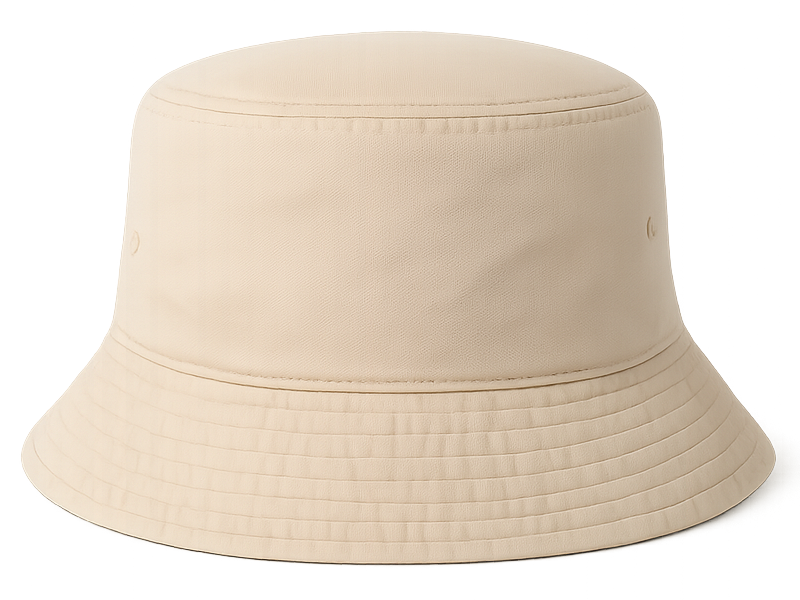
A bucket hat is a soft, round hat with a downward-sloping brim that wraps all the way around the head. Classic bucket hats are typically made from cotton, canvas, denim, or other soft fabrics—and they are known for being casual, packable, easy to wear, and versatile across everyday style, travel, and light sun coverage.
This guide answers the questions people ask most—what it looks like, how it should fit, which fabrics and colors work best, and how a bucket hat compares to similar hats—then helps you shop signature Nury bucket hats with confidence.
Quick answer
DEFINITION
Soft hat with a downward-sloping brim all around.
TYPICAL BRIM
About 2–3 inches / 5–7.5 cm (varies by brand).
TYPICAL CROWN DEPTH
About 3.25–3.75 inches / 8.25–9.5 cm (varies by brand).
COMMON FABRICS
Cotton, canvas, denim, nylon, wool blends, raffia/straw.
BEST FOR
Casual wear, travel, beach, festivals, everyday style, light sun coverage.
WOMEN’S FIT RANGE
Often ~55–59 cm depending on sizing and model.
In this guide
Jump to a section—each opens with a short answer, then goes deeper.
What is a bucket hat?
A bucket hat is a soft hat with a rounded crown and a brim that slopes downward around the full circumference of the hat. It is usually made from fabric rather than stiff felt or structured straw, which makes it more casual, packable, and easy to style than many traditional hat silhouettes.
- Soft or lightly structured shape (depending on fabric)
- Brim goes all the way around—not a front-only visor
- More relaxed than many fedoras or dress sun hats
- Easier to pack than stiff, structured hats
- Balances function (coverage, comfort) with casual style
The anatomy of a bucket hat
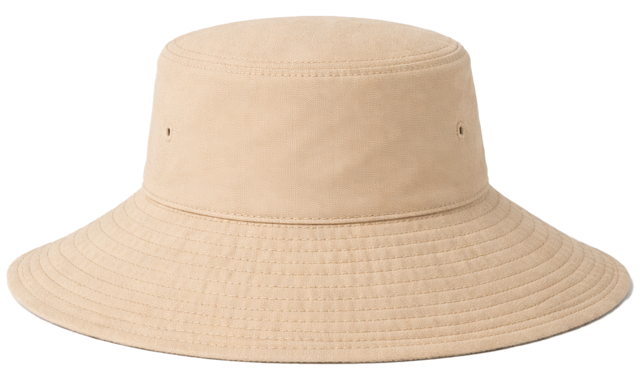
Structurally, “bucket hat” describes a silhouette: a round crown plus a circular brim that angles downward. Details like stitching, panels, and eyelets change the look and breathability, but the core shape stays consistent.
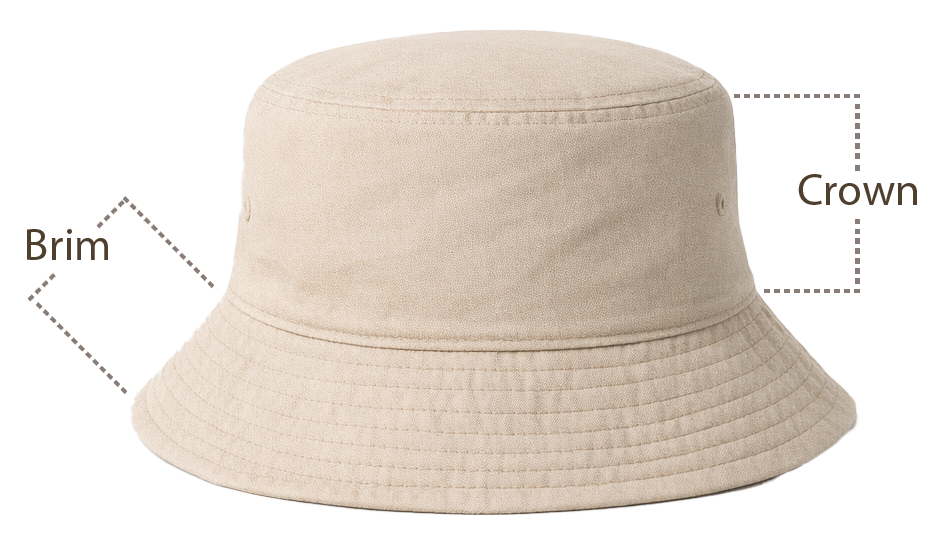
Crown
Usually soft and rounded, medium depth—where the hat sits on your head.
Brim
Slopes downward around the entire hat to frame the face.
Brim stitching
Circular rows that add structure and a classic visual rhythm.
Panels
Some hats are paneled; others look more seamless depending on construction.
Eyelets
Optional ventilation details on the sides of the crown.
Lining
Some styles include a lining for comfort, structure, or seasonal warmth.
Typical bucket hat measurements
Exact dimensions vary by brand, crown height, and brim width—but these ranges are useful when comparing styles online or shopping across silhouettes.
Brim width
Often about 2–3 inches / 5–7.5 cm
Crown depth
Often about 3.25–3.75 inches / 8.25–9.5 cm
Head circumference
Many women’s styles land around ~55–59 cm / 21.7–23.2 in
Nury’s own fashion bucket proportion sits inside this classic range: a 9 cm / 3.5 in crown and 7 cm / 2.75 in brim, designed to feel polished rather than oversized.
If you are between sizes, prioritize comfort: the brim should frame your face without sitting so low that it blocks vision, and the crown should feel secure without pressure.
The history of the bucket hat
The bucket hat began as a practical outdoor hat, not a fashion trend. Most fashion historians trace its roots to the early 1900s, when Irish farmers and fishermen wore soft wool felt or tweed hats with a downward-sloping brim to keep rain off the face and neck. Those early versions were valued because they were durable, easy to fold, and naturally water-resistant thanks to the lanolin in raw wool.
Over time, the silhouette spread beyond rural workwear. By the mid-20th century, bucket-style hats had moved into casual outdoor use and women’s fashion, and by the 1960s the shape was clearly present in mod-era style. A related branch of the design also appeared in military tropical hats and the Vietnam-era boonie hat, which helped popularize lightweight cotton versions with ventilation eyelets and a more relaxed everyday feel.
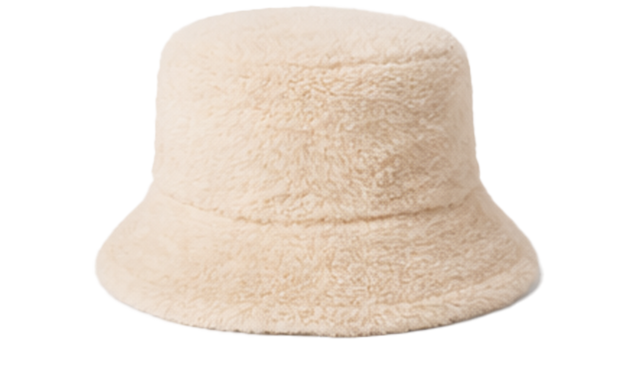
The bucket hat became a true fashion icon in the 1980s, when hip-hop artists such as LL Cool J and Run-D.M.C. made it part of streetwear history. Since then, it has continued to cycle back into fashion because the shape is both functional and unmistakable: soft, packable, flattering, and easy to reinterpret in cotton, denim, quilted nylon, faux fur, straw, and luxury fabrics.
Utility roots
Outdoor work + protection from glare and light weather.
Streetwear era
Casual culture adopts the silhouette as an everyday staple.
Fashion crossover
Designers remix materials, brim widths, and finishes.
Today
A modern women’s staple: easy, packable, expressive.
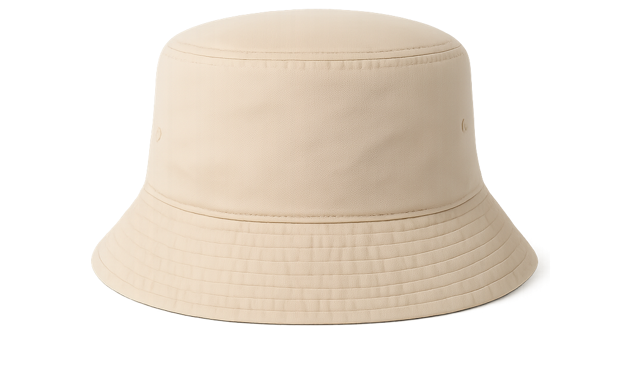
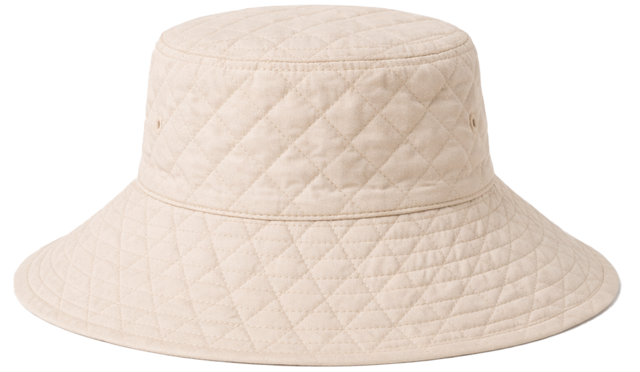
The main types of bucket hats
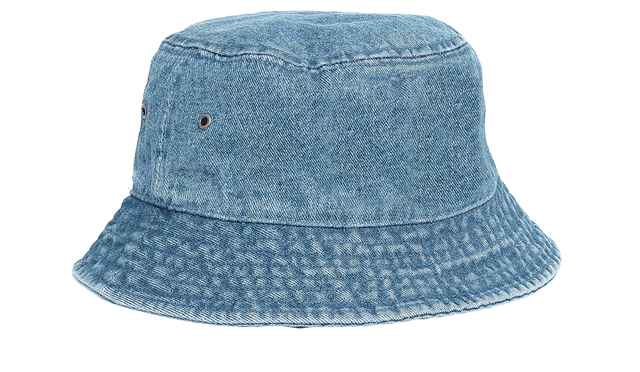
Denim
Casual structure with iconic texture.
Streetwear-leaning, great with denim-on-denim.
Shop bucket hats →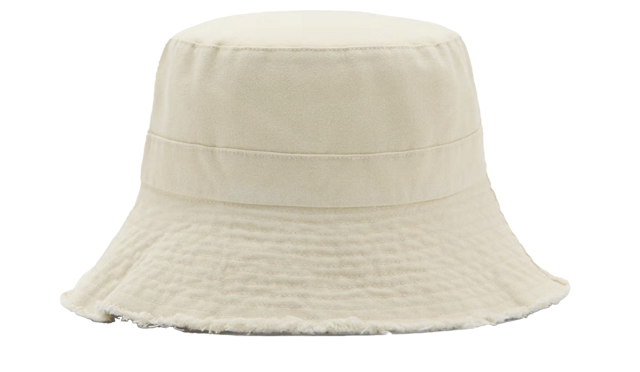
Bucket hat fabrics explained
Cotton
Breathable and soft—an everyday staple with relaxed structure.
Canvas
Durable with a slightly sturdier shape than basic cotton.
Denim
Heavier handfeel; casual, iconic, and easy to pair.
Wool / tweed
Cooler-weather texture with a more heritage mood.
Corduroy
Seasonal ribbed texture; great for fall styling.
Nylon
Lightweight and packable; sportier energy.
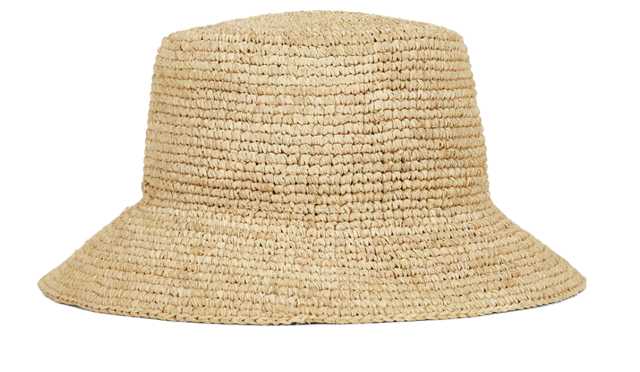
Raffia / straw
Airy warm-weather option with resort-ready vibes.
Best colors for women’s bucket hats
Color is less about “rules” and more about wardrobe chemistry: neutrals anchor outfits, soft tones feel romantic, and statement colors add punch—especially when the silhouette is already easy to wear.
Core neutrals
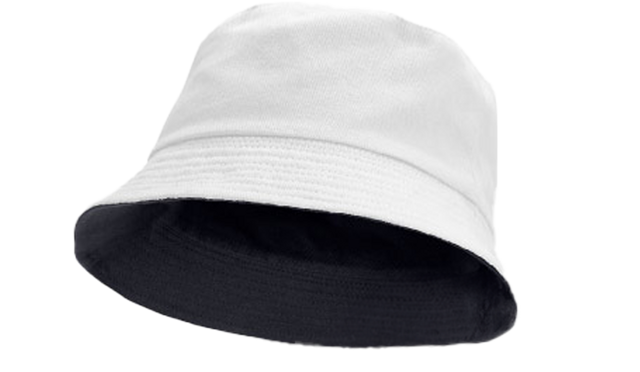
Black, white, cream, camel, khaki, denim blue—maximum versatility.
Soft feminine tones
Blush, lipstick red, powder blue, sage—pretty without feeling costumey.
Statement colors
Cobalt, cherry red, hot pink, sunflower—high impact, still casual.
Texture-first colorways
Washed denim, faded black, frayed ivory—color through texture.
How should a bucket hat fit?
A bucket hat should feel secure without pinching: the crown sits comfortably, the brim frames your face, and the hat stays put when you move—without leaving red marks or sliding forward over your eyes.
Head circumference is only part of the story. See our hat size chart for how Nury separates fit size from silhouette, including the technical measurement behind The Nury Proportion: Bucket Silhouette Diameter.
Too tight
Headache pressure, red forehead line, brim sits too high or feels rigid.
Ideal
Comfortable contact, brim frames the face, easy to wear for hours.
Too loose
Shifts with wind, sits too low, needs constant adjusting.
When should you wear a bucket hat?
Bucket hats shine anywhere you want easy polish: they read casual by default, but the right fabric can shift the vibe toward streetwear, resort, or weekend-chic.
- Everyday casual: errands, coffee, walking the dog
- City styling: denim, minimal layers, sneakers
- Travel: packable, low-drama, outfit-repeating friendly
- Beach & resort: straw/raffia or breezy cotton moods
- Festivals & weekends: expressive textures and frayed details
- Cooler weather: wool blends, corduroy, heavier cotton
Bucket hat vs boonie hat vs sun hat
Same “hat family” conversations—different silhouettes and use cases. This table keeps comparisons concrete.
| Style | Silhouette | Brim | Typical vibe |
|---|---|---|---|
| Bucket hat | Soft crown + circular downward brim | All-around brim, moderate width | Casual, fashion-forward, packable |
| Boonie hat | Utility outdoor profile | Often wider; functional details | Outdoor / utility / trekking mood |
| Sun hat | Varies (often wider brim) | Often larger brim for coverage | Resort / sun-first styling |
| Baseball cap | Rounded crown + visor | Front brim only | Sport / everyday casual |
Why women love bucket hats
The bucket hat wins because it is flattering without feeling fussy: it adds shape and personality to simple outfits, while staying practical enough for real life.
Easy to wear—no complicated styling rules
Relaxed, but still intentional
Works across casual, resort, and streetwear moods
Great canvas for texture: denim, frayed edges, quilting
Women-first styling can emphasize softness, edge, or minimalism
Why Nury bucket hats stand out
Nury bucket hats are designed around The Nury Proportion: our fashion-first interpretation of a classic bucket hat. It starts with a clean 9 cm / 3.5 in crown, a 7 cm / 2.75 in brim, and a balanced outer silhouette that gives shade without pushing the hat into oversized sun-hat territory.
Most brands only tell you whether a hat fits your head. Nury also thinks about how the hat looks when worn. A larger crown or wider brim can add coverage, but it can also add visual volume. Nury stays in the sweet spot: practical enough for sun, structured enough to frame the face, and soft enough to feel effortless.
- The Nury Proportion: 9 cm / 3.5 in crown, 7 cm / 2.75 in brim, balanced outer silhouette
- Women-first shape: flattering, wearable, and not oversized
- Signature heart icon: subtle branding you can spot across colors
- Cotton, denim, canvas, and frayed-edge personality
- Fashion-forward, but still practical for daily rotation
For the full Nury Proportion, current style fit ranges, and size conversion chart, visit the hat size chart. Shop Nury frayed bucket hats.
Shop Nury bucket hats
Start with the silhouettes you will wear most, then explore texture and color. (More category pages can slot in here as your catalog grows.)
Common questions about bucket hats
What is a bucket hat?
A soft hat with a rounded crown and a brim that slopes downward around the full circumference—usually made from fabric for a casual, packable feel.
Why is it called a bucket hat?
The name comes from the silhouette: the crown + circular brim can resemble a bucket shape when viewed from the side.
How is a bucket hat different from a boonie hat?
Boonie hats are often more utility-forward with outdoor details; bucket hats are more fashion-casual, though silhouettes can look similar at a glance.
Are bucket hats good for sun protection?
They can provide light, all-around shade depending on brim width and material—but treat UPF claims as product-specific.
How should a bucket hat fit?
Secure but comfortable: no pinching, brim frames the face without covering your eyes, crown feels relaxed—not tall and stiff.
What is The Nury Proportion?
The Nury Proportion is Nury’s fashion-first bucket hat shape: a 9 cm / 3.5 in crown, 7 cm / 2.75 in brim, and balanced outer silhouette designed to give shade without looking oversized or floppy.
What fabric is best?
Cotton and canvas are everyday staples; denim adds texture; straw/raffia leans resort; nylon leans sporty and packable.
Are denim bucket hats in style?
Yes—denim reads classic and modern at once, especially when you want texture-first styling.
Can women wear bucket hats year-round?
Absolutely—choose lighter fabrics for warm months and richer textures for cooler seasons.
What colors are easiest to style?
Neutrals (black, cream, denim blue) are the easiest daily drivers; add one statement color when you want contrast.